
Sustainable Innovation Challenge 2026 in Manchester
Students from HWR Berlin and UK partner universities collaborated in Manchester to develop sustainable mobility solutions while gaining international and practical experience.
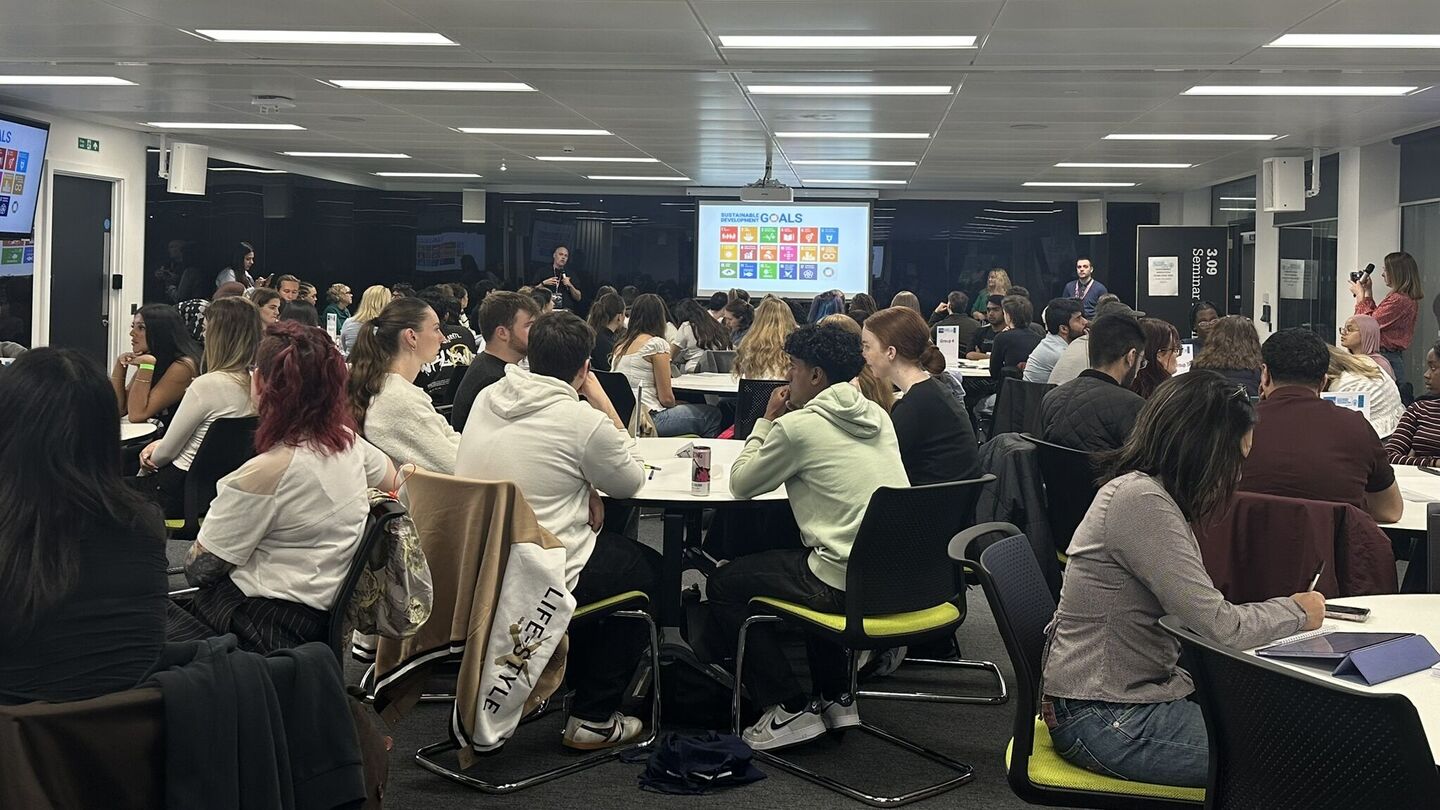
The Sustainable Innovation Challenge 2026 brought together students from different departments at HWR Berlin, the University of Liverpool, Manchester Metropolitan University and Ulster University to develop innovative solutions to a real-world sustainability challenge in collaboration with Manchester City Football Club.
For many of the HWR students, participation was financially supported through funding provided by the UKollaborate project, which promotes academic exchange and collaboration between German and UK higher education institutions.
Working in international and interdisciplinary teams, participants explored creative ways to encourage more visitors to walk to the Etihad Campus by designing solutions that were environmentally, socially and economically sustainable.

Learning through collaboration
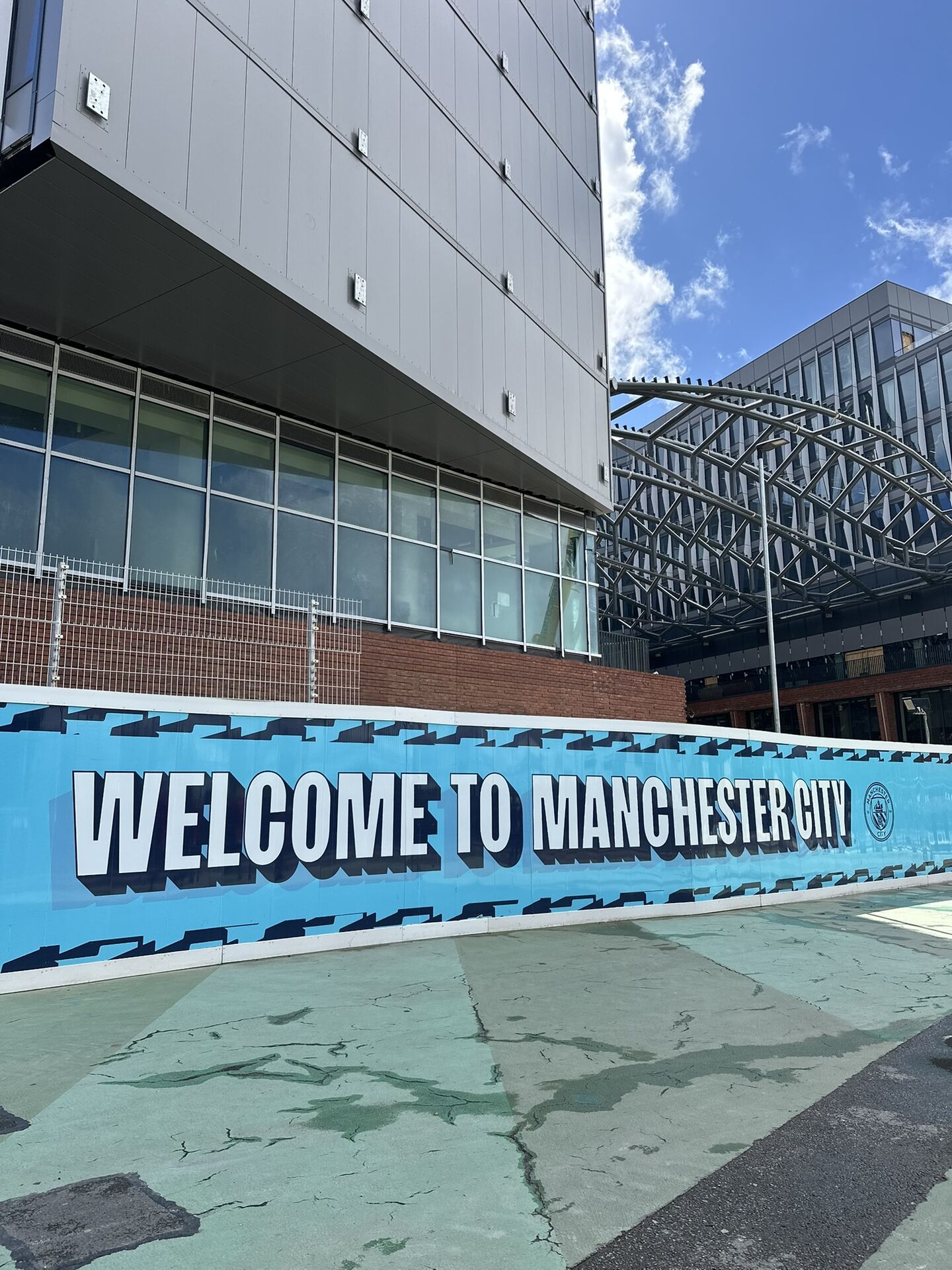
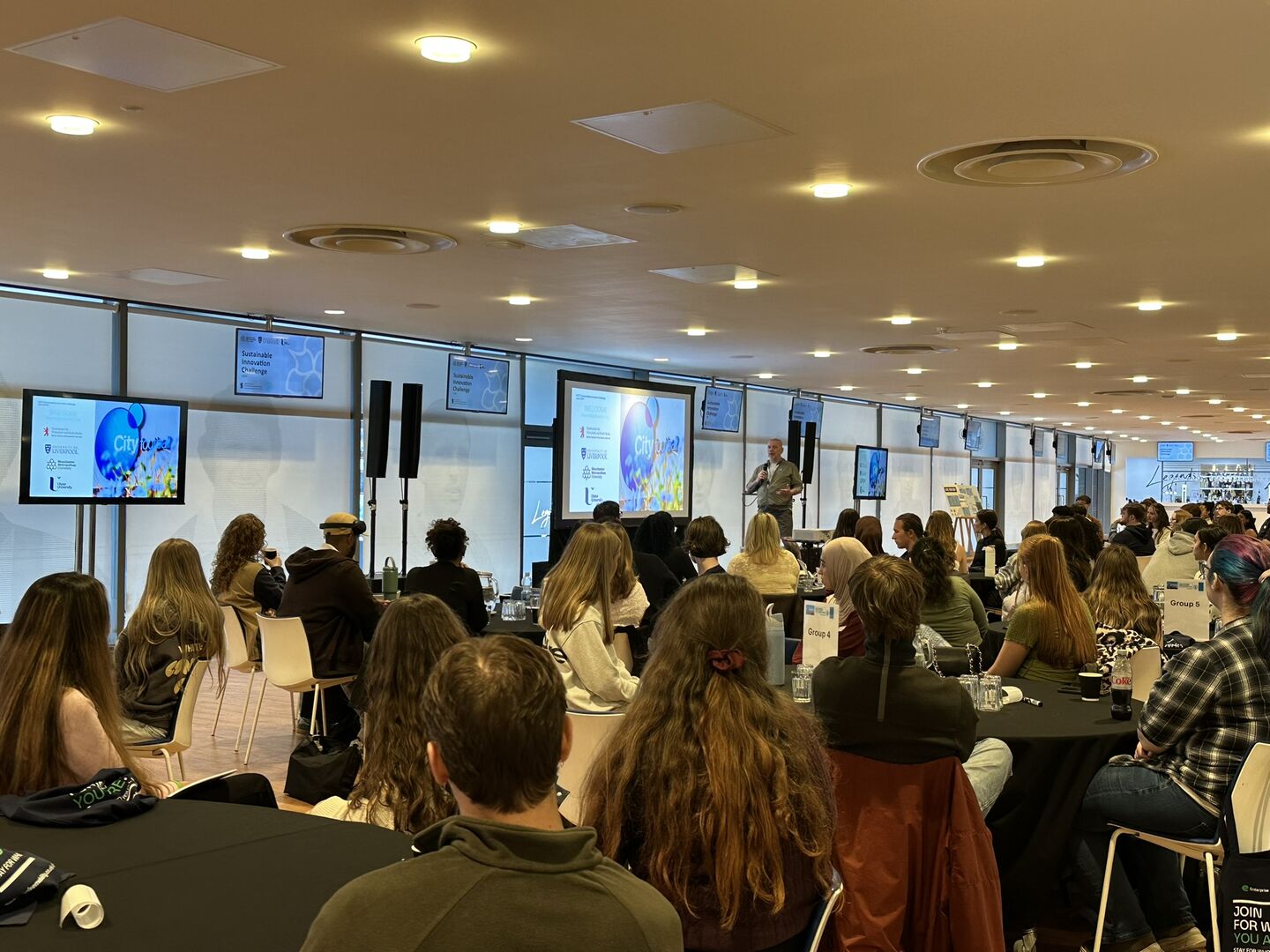
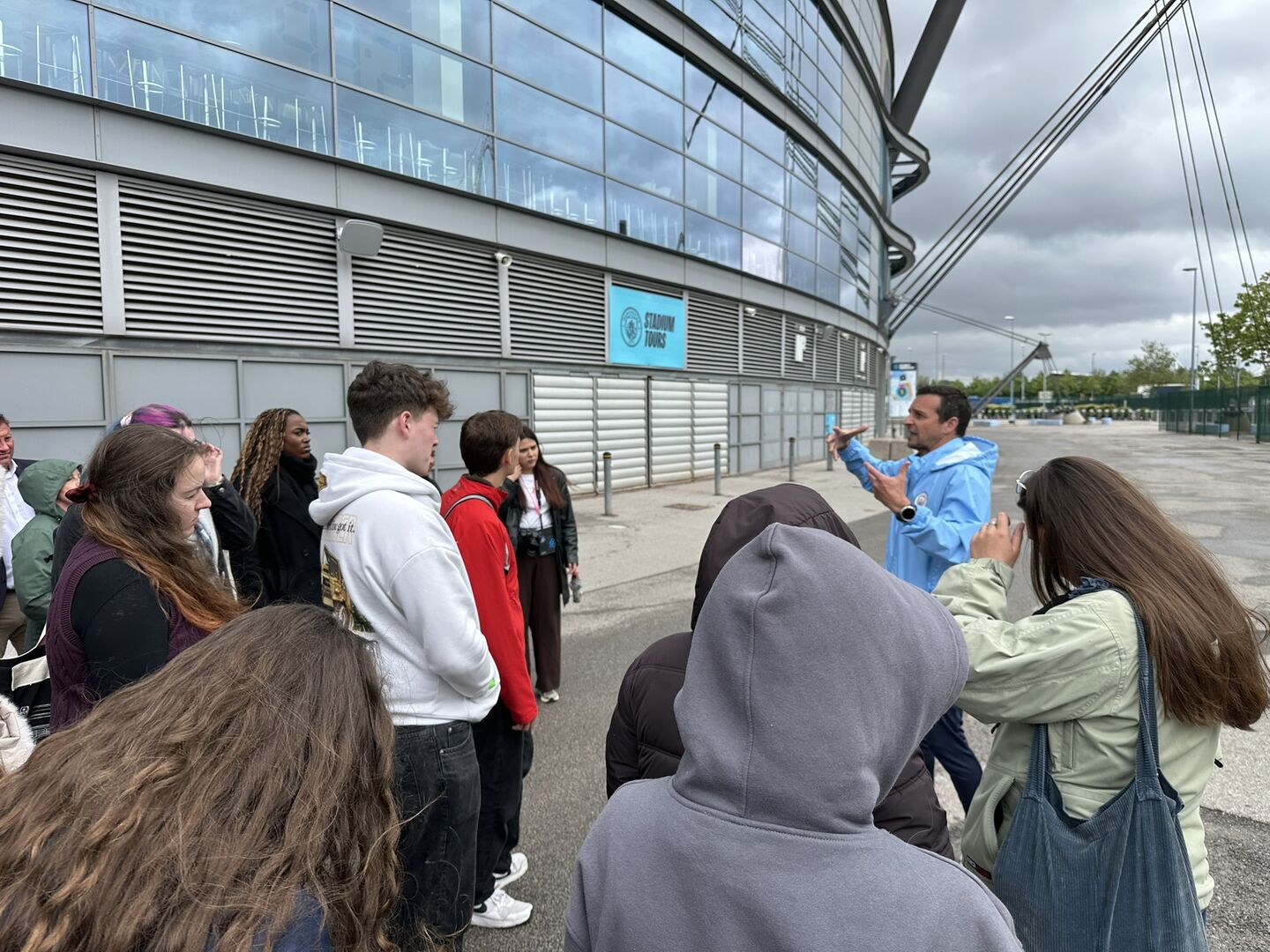
The programme combined interactive workshops, a guided city tour of Manchester, a site visit to the CityLink route and intensive project work based on the Design Thinking approach. The city tour gave HWR students the opportunity to discover Manchester’s rich industrial heritage, vibrant cultural scene and ongoing transformation into a leading centre for innovation and sustainable urban development.
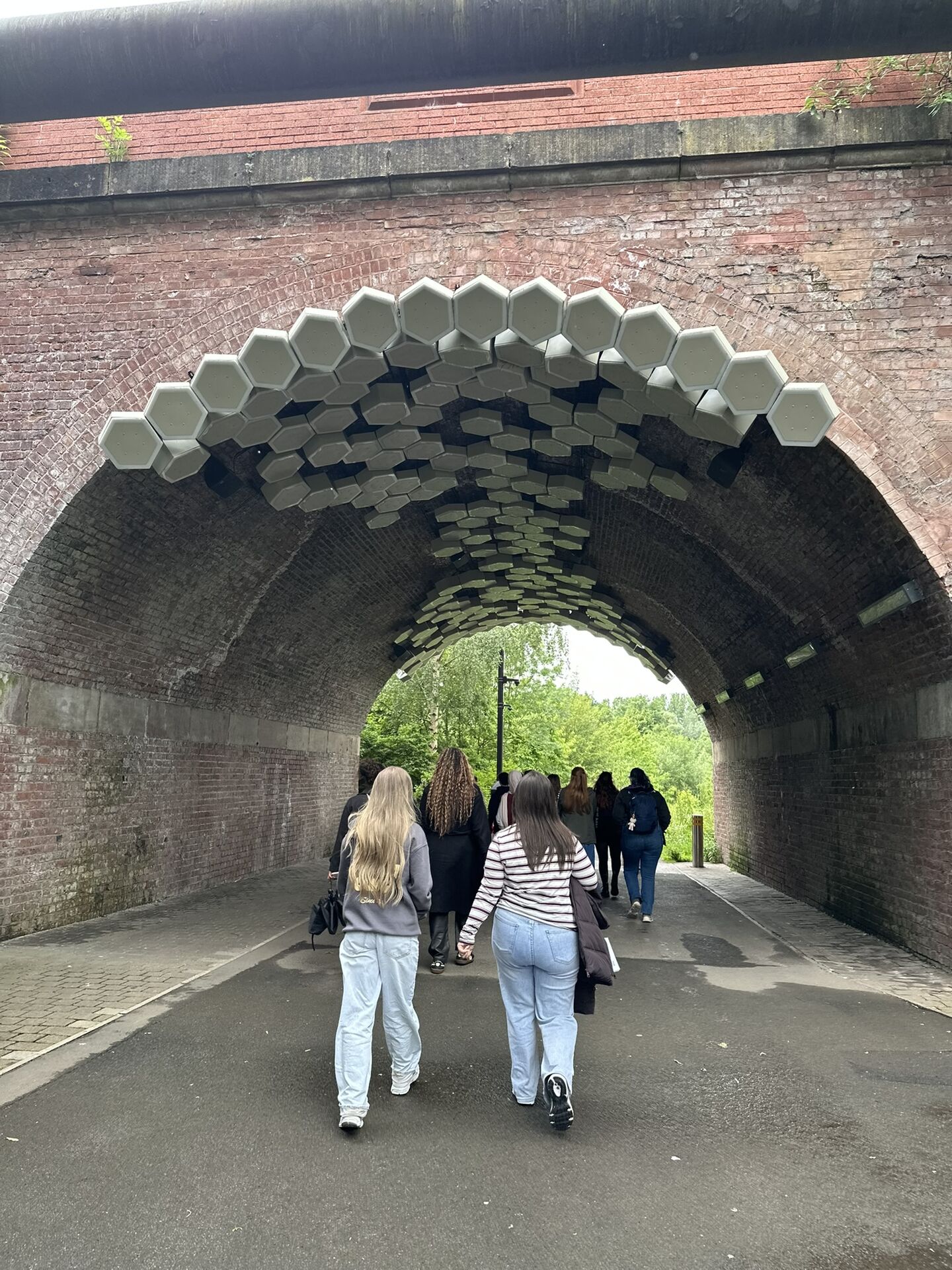
Building on these first impressions, participants explored the CityLink route—the pedestrian and cycling corridor connecting Manchester city centre with the Etihad Stadium. The route reflects Manchester’s efforts to promote active travel by encouraging walking and cycling while reducing traffic congestion and carbon emissions. Experiencing the route first-hand enabled students to better understand the opportunities and challenges of sustainable urban mobility before developing and refining their ideas in international teams.
The challenge itself provided a unique opportunity to apply Design Thinking methods to a real business case. Through user-centred research, idea generation, prototyping and testing, students worked collaboratively to develop practical and innovative solutions that addressed both sustainability goals and the needs of Manchester City Football Club and its visitors.
Working alongside students from different countries and academic backgrounds strengthened participants’ communication, teamwork and intercultural competencies. At the same time, the project fostered creativity, adaptability and problem-solving under time pressure, demonstrating how diverse perspectives can lead to more innovative and effective solutions to complex sustainability challenges.
Practical experience and professional development
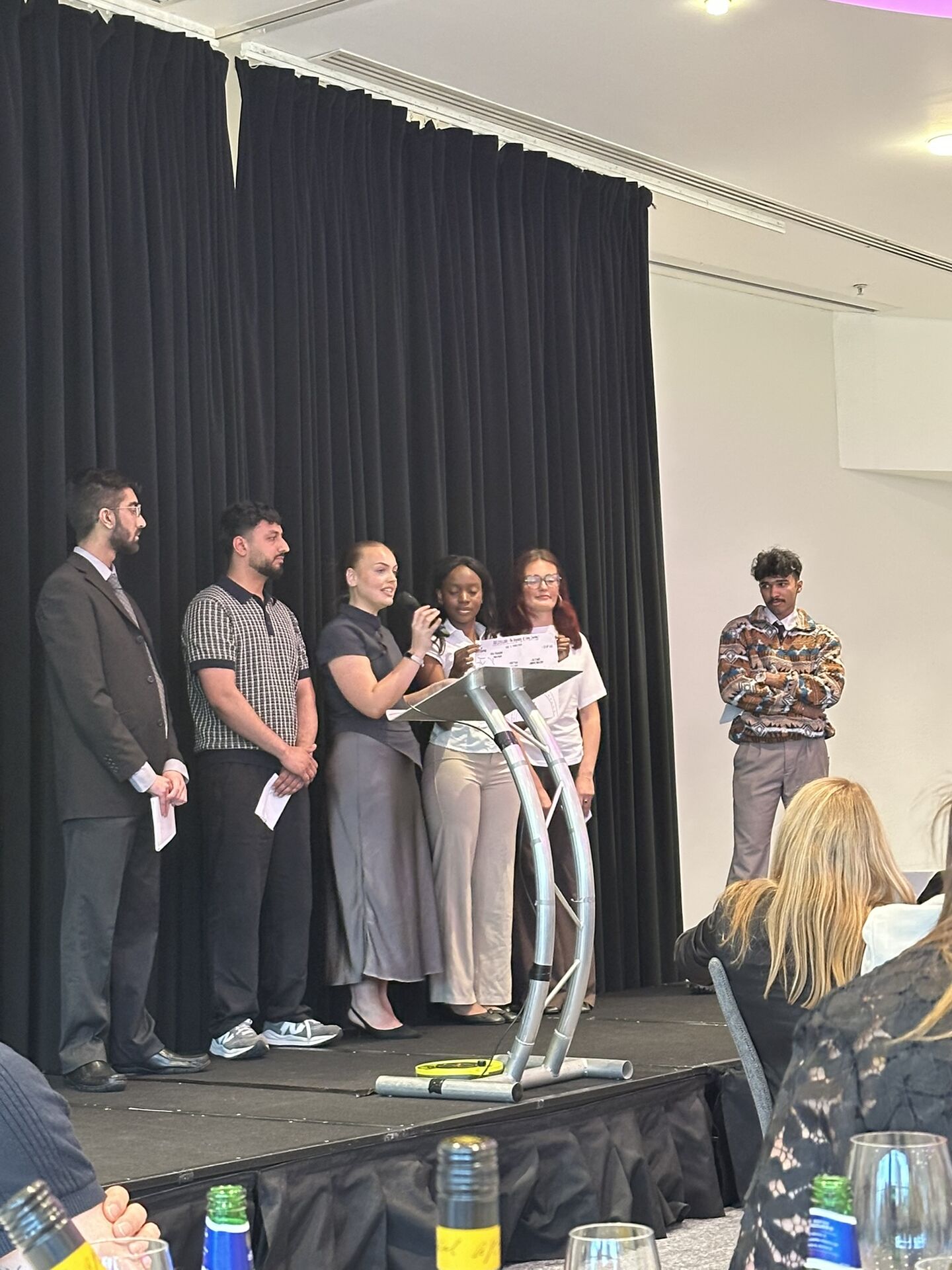
At the end of the challenge, each team presented its concept to a panel of industry professionals and academic experts, receiving valuable feedback on both the feasibility and impact of their proposals. The strongest teams advanced to the final round, providing participants with an excellent opportunity to further develop their pitching, presentation and communication skills in a professional environment.
Beyond the competition itself, the programme created valuable networking opportunities with students, lecturers and industry representatives. Participants gained hands-on experience by applying academic knowledge to a real business challenge while strengthening key transferable skills, including communication, project management, critical thinking and collaborative problem-solving.
Overall impact
The Sustainable Innovation Challenge offered an inspiring combination of international collaboration, applied learning and professional engagement. Participants benefited from working in multicultural teams, developing innovative solutions for a real client and gaining a deeper understanding of sustainability. The challenge highlighted that successful and lasting solutions depend not only on environmental measures but also on community engagement, behavioural change and user-centred innovation.
Overall, the programme proved to be a highly valuable learning experience that supported both professional and personal development. In addition to expanding their international networks, participants gained valuable insights into sustainable innovation, strengthened their confidence in working across cultures and enhanced their ability to address real-world challenges. The programme was therefore highly recommended as an excellent opportunity to develop practical skills, broaden international perspectives and prepare for future careers in an increasingly global and sustainability-focused professional environment.
Information on the HWR UKollaborate project can be found here: ukollaborate-project
For further question please contact Jana Baier-Kohl & Lina Nientimp at the International Office.