

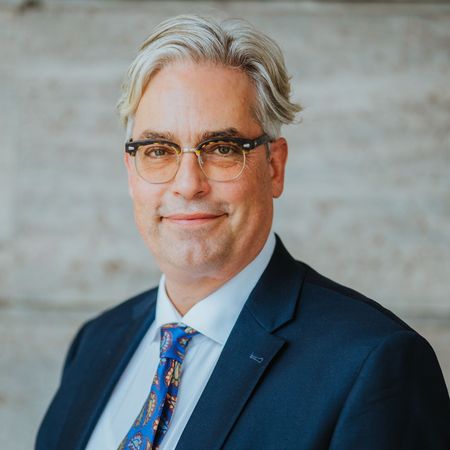
Prof. Dr. Markus Schultze-Kraft
FB 5 Polizei und Sicherheitsmanagement
Professur für Politikwissenschaft
Postanschrift
Hochschule für Wirtschaft und Recht Berlin
Alt-Friedrichsfelde 60
10315 Berlin
Besucheradresse
Campus Lichtenberg
Haus 1,
1.1004
Alt-Friedrichsfelde 60
10315 Berlin
Seit Januar 2022 Professor für Politikwissenschaft, Fachbereich Polizei und Sicherheitsmanagement (FB 5), HWR Berlin
- Innere und internationale Sicherheit, politische Partizipation und Protest, internationales Konflikt- und Sicherheitsmanagement, regionale Sicherheits-Governance, internationale Polizeimissionen
Januar 2020 – Dezember 2021 Leibniz-Institut für Bildungsmedien | Georg-Eckert-Institut, Braunschweig
- Georg Arnhold Senior Fellow & Arnhold Associate
- Forschungsprojekt „Bildung für nachhaltigen Frieden durch historische Erinnerung”
- Beratung zur Lehrplanreform und Lehrbuchüberarbeitung in Lateinamerika seit den 1990er Jahren unter Berücksichtigung der Themen Vergangenheitsbewältigung, Erinnerungskultur, Versöhnung und Sonderjustiz
Nov. 2014 – Juni 2020 Professor für Politikwissenschaft, Friedens-/Konfliktstudien und Globale Angelegenheiten, Universidad Icesi, Kolumbien
- Leiter des Masterstudiengangs „Government”
- Internationaler Berater des Nationalen Zentrums für Historische Erinnerung (CNMH)
- Diplom in Hochschullehre
- Gastwissenschaftler am Max-Planck-Institut zur Erforschung von Kriminalität, Sicherheit und Recht, Freiburg i. Br.
- DAAD-Forschungsstipendiat am Max-Planck-Institut zur Erforschung von Kriminalität, Sicherheit und Recht, Freiburg i. Br.
Okt. 2010 – Okt. 2014 Institut für Entwicklungsstudien (IDS) an der Universität Sussex, Großbritannien
- Research Fellow & Leiter des Governance-Forschungsteams
- Gründer und Co-Vorsitzender, Global Drug and Development Policy Roundup
- Mitglied der Strategic Leadership Group (SLG)
Nov. 2001 – Sep. 2010 International Crisis Group mit Sitz in Bogotá, Kolumbien
- Leiter des Programms für Lateinamerika und die Karibik
- Leiter des Kolumbien- und Andenprojekts
- Senior Political Analyst Kolumbien
Jul. 2001 DPhil in Politik, St Antony’s College/Universität Oxford
- DAAD-Forschungsstipendiat in Costa Rica, El Salvador, Guatemala, Nicaragua
Juni 1997 MPhil in Lateinamerikastudien, St Antony’s College/Universität Oxford
Juni 1995 Diplom (MA) in Politikwissenschaft mit Nebenfach Wirtschaftswissenschaften, Freie Universität Berlin
Okt. 1989 – Juni 1990 Gaststudent, Politik, Philosophie und Wirtschaft (PPE), St Catherine’s College/Universität Oxford
Politikwissenschaft
Internationale Politische Ökonomie
Sicherheitsstudien
Governance-Studien
Regionalstudien (Lateinamerika und Karibik, Westafrika, westlicher Balkan)
Kriminologie
Globale Wertschöpfungsketten
Peace Education
Historische Erinnerung
Qualitative Forschungsmethoden
Gewaltkonflikte & (Un-)Sicherheit
Demokratie und Entwicklung
Aktuelle Fragen des internationalen Sicherheitsmanagements (Friedenskonsolidierung, Friedenserhaltung)
Security-Development-Nexus im globalen Süden
Regionale Sicherheits-Governance
Governance und transnational organisierte Kriminalität
Innere Sicherheit
Internationale Sicherheit
Politische Beteiligung und politischer Protest
Internationale Polizeimissionen
Regelmäßige Betreuung von Abschlussarbeiten in folgenden Studiengängen an der HWR Berlin:
- BA Gehobener Polizeivollzugsdienst (gPVD)
- BA Sicherheitsmanagement (SiMa)
- MA International Security Management (ISM)
- MA Security Management (MSM)
Betreuung von Abschlussarbeiten an vormaligen Wirkungsstätten:
- MA in Development Studies (IDS/University of Sussex)
- MA in Government (Universidad Icesi)
- BA in Political Science (Universidad Icesi)
Ideen für Doktorarbeiten in meinen Fachgebieten im Rahmen einer gemeinsamen Betreuung mit einer anderen Universität sind willkommen
Internationale Politische Ökonomie von globalen Wertschöpfungsketten (HWR Kompetenzzentrum, DFG)
Internationale Friedensschaffung, Friedenskonsolidierung und Friedenserhaltung
Peace Education
Rechenschaftspflicht (Accountability) und lokale Regierungsführung in Prozessen der Friedens- und Staatenbildung
Internationale und menschliche Sicherheit, Sicherheitssektor-Governance und der Nexus zwischen Sicherheit und Entwicklung
Rechtspluralismus
Transnationale organisierte Kriminalität und internationale Drogenpolitik
Kriminalität und Krimilegalität
Informelle, hybride und Mehrebenen-Governance in Entwicklungsländern
Gewaltprävention und -minderung in fragilen Staaten
Evidenzbasierte Politikanalyse, -gestaltung und Transfer
Internationale Beratung zu politischen Fragen der bewaffneten Konfliktbearbeitung sowie Friedensfindung und -konsolidierung, historischer Erinnerung, transnational organisierter Kriminalität
Leitung von global aufgestellter INGO im Bereich Konfliktprävention und -lösung
Konzipierung und Durchführung von Multi-Stakeholder Workshops
Erstellung von Policy Reports und Briefings
Internationale Policy Advocacy
Wissenschaftliche Publikationen
Monographien
- Schultze-Kraft, M. (2022). Education for Sustaining Peace through Historical Memory (Cham: Palgrave Macmillan). https://doi.org/10.1007/978-3-030-93654-9
- Schultze-Kraft, M. (2019). Crimilegal Orders, Governance and Armed Conflict (Cham: Palgrave Macmillan). https://doi.org/10.1080/01436597.2021.1892482
- Schultze-Kraft, M. (2005). Pacificación y poder civil en Centroamérica. Las relaciones cívico-militares en El Salvador, Guatemala y Nicaragua en el posconflicto (Bogotá: Grupo Editorial Norma). ISBN: 9786894223428
- Schultze-Kraft, M. & Ó. E. Valencia Mesa (2025). Negotiating the fog of crimilegal war and peace: insights from rural Colombia, Conflict, Security & Development, https://doi.org/10.1080/14678802.2025.2543408
Peer-Reviewed Journal Artikel und Buchkapitel
- Schultze-Kraft, M. & Ó. E. Valencia Mesa (2025). Negotiating the fog of crimilegal war and peace: insights from rural Colombia, Conflict, Security & Development, https://doi.org/10.1080/14678802.2025.2543408
- Schultze-Kraft, M. (2022). On peace education in Colombia: a grounded international perspective, Journal of Peace Education, 19:3, 281-302. https://doi.org/10.1080/17400201.2022.2132925
- Schultze-Kraft, M. (2021). Las bases morales y normativas de la "connivencia" entre los órdenes políticos legal e ilegal: una aproximación desde el concepto de la crimilegalidad. In: Sonia Alda M. (ed.). Los actores implicados en la gobernanza criminal en América Latina, 51-64. Madrid: Real Instituto Elcano/Fundación Friedrich Naumann. ISBN: 978-84-92983-29-2
- Schultze-Kraft, M. & J. Gorricho (2021). Wartime protected area governance: the case of Colombia’s Alto Fragua Indiwasi National Park, Third World Quarterly 42:6, 1365-1383. https://doi.org/10.1080/01436597.2021.1892482
- Schultze-Kraft, M. (2018). Making peace in seas of crime: crimilegal order and armed conflict termination in Colombia, Crime, Law & Social Change 69(4), 475-496. https://doi.org/10.1007/s10611-017-9759-2
- Schultze-Kraft, M., F. Chinchilla & M. Moriconi (2018). New perspectives on crime, violence and insecurity in Latin America, Crime, Law & Social Change 69(4), 465-473. https://doi.org/10.1007/s10611-017-9758-3
- Schultze-Kraft, M., F. Chinchilla & M. Moriconi (Hrsg.) (2018). Cutting through the Fog: New Perspectives on Crime, Violence and Insecurity in Latin America, Special Issue 69(4), Crime, Law & Social Change.
- Schultze-Kraft, M. (2017). Friedensschaffung durch Entflechtung von Herrschaftsordnung und organisierter Kriminalität? – Ein Deutungsversuch des kolumbianischen Friedensprozesses unter Anwendung des Konzepts der krimilegalen Aushandlung, Monatsschrift für Kriminologie und Strafrechtsreform 5/2017, 344-359.
- Schultze-Kraft, M. (2017). Understanding organised violence and crime in political settlements: oil wars, petro-criminality and amnesty in the Niger Delta, Journal of International Development 29, 613-627. https://doi.org/10.1002/jid.3287
- Schultze-Kraft, M. (2016). Órdenes crimilegales: repensando el poder político del crimen organizado, ICONOS. Revista de Ciencias Sociales 55, 25-44. https://doi.org/10.17141/iconos.55.2016.1899
- Schultze-Kraft, M. (2016). Memoria histórica: clave para reforma del sector seguridad y construcción de paz en Colombia, Le Monde Diplomatique 152, 4-5.
- Schultze-Kraft, M., O. E. Valencia & D. Alzate (2016). Decentralisation, security consolidation and territorial peacebuilding: is Colombia about to close the loop? Third World Thematics: A TWQ Journal 1(6), 837-856. https://doi.org/10.1080/23802014.2016.1338922
- Schultze-Kraft, M. (2014). Why a governance perspective could contribute to improving drug policy and engaging the international development community: lessons from Colombia, International Journal of Drug Policy 25(5), 1038-1039. https://doi.org/10.1016/j.drugpo.2013.12.011
- Schultze-Kraft, M. (2014). Getting Real About an Illicit ‘External Stressor’: Transnational Cocaine Trafficking Through West Africa, IDS Evidence Report 72 (Brighton: Institute of Development Studies).
- Schultze-Kraft, M. & A. Joshi (2014). Introduction – Localising Governance: An outlook on research and policy, IDS Bulletin 45, 1-8. https://doi.org/10.1111/1759-5436.12099
- Schultze-Kraft, M. & E. Morina (2014). Decentralization and accountability in war-to-peace transitions: the case of Kosovo, IDS Bulletin 45, 92-104. https://doi.org/10.1111/1759-5436.12107
- Schultze-Kraft, M. & A. Joshi (Hrsg.) (2014). Localising Governance, Special Issue 45, IDS Bulletin.
- Schultze-Kraft, M. & B. Befani (2014). Getting High on Impact: The Challenge of Evaluating Drug Policy, Brief No. 3, Global Drug Policy Observatory (Swansea: Swansea University).
- Schultze-Kraft, M. & S. Hinkle (2014). Toward Effective Violence Mitigation: Transforming Political Settlements, IDS Evidence Report 101 (Brighton: Institute of Development Studies).
- Schultze-Kraft, M. (2013). External Stresses and Violence Mitigation in Fragile Contexts: Setting the Stage for Policy Analysis, IDS Evidence Report 36 (Brighton: Institute of Development Studies).
- Schultze-Kraft, M. (2013). Nigeria’s Post-1999 Political Settlement and Violence Mitigation in the Niger Delta, IDS Evidence Report 5 (Brighton: Institute of Development Studies).
- Schultze-Kraft, M. (2012). Security and the rule of law in Colombia and Guatemala: priorities, trade-offs and interdependencies, Hague Journal on the Rule of Law 4, 135-157. https://doi.org/10.1017/S1876404512000085
- Schultze-Kraft, M. (2012). Europe’s role in fomenting peace in Central America and Colombia, in C. Arnson (ed.) In the Wake of War: Democratization and Internal Armed Conflict in Latin America (Washington: D.C.: Woodrow Wilson Center Press and Stanford University Press), 287-318.
- Schultze-Kraft, M. (2012). La cuestión militar en Colombia: la fuerza pública y los retos de la construcción de la paz, in A. Rettberg (ed..) Construcción de paz en Colombia (Bogotá: Universidad de Los Andes/CEDE), 405-433.
- Schultze-Kraft, M. (2010). La estrategia de resolución integral del conflicto armado y la construcción democrática del poder y del orden en Colombia, in A. Vargas (Hrsg.) Colombia: escenarios posibles de guerra o paz (Bogotá: Universidad Nacional de Colombia), 287-302.
- Schultze-Kraft, M. (2008). Narcotráfico en América Latina: un nuevo consenso internacional, Política Exterior 126, 105-114.
- Schultze-Kraft, M. (2007). Venezuela vor dem Chavismus?Blätter für deutsche und internationale Politik 52(5), 541-545.
Internationale Policy Publikationen
Die unter dem Namen einer Institution (International Crisis Group) veröffentlichten und hier aufgelisteten Werke sind das Ergebnis von zehn Jahren praxisorientierter Forschung und strategischer Analyse. Unter der Leitung von Prof. Schultze-Kraft wurde ein solider und konsistenter methodischer Rahmen in einer Reihe komplexer Konfliktgebiete umgesetzt, der Themen wie Bandenkriminalität in Port-au-Prince, Unterstützung bei den Vorbereitungen für Friedensverhandlungen in Kolumbien, Förderung von Initiativen zur Eindämmung von Unruhen und demokratischem Rückschritt in Bolivien, Ecuador und Venezuela sowie Bekämpfung der grenzüberschreitenden organisierten Kriminalität umfasste. Prof. Schultze-Krafts H-Index verdeutlicht den Einfluss seiner akademischen Forschung innerhalb der internationalen Wissenschaftsgemeinschaft, während seine Beiträge zu internationalen Politikmaßnahmen sein kontinuierliches Engagement für die Förderung von Frieden, Sicherheit und Stabilität weltweit unterstreichen.
International Crisis Group
Cluster 1: Konfliktlösung und Friedensarchitektur
Schwerpunkt: Der Übergang von gewaltsamen Konflikten zu Verhandlungslösungen. Empirische „Frühwarnungs-“ und „Spätphasen“-Analyse für den kolumbianischen Konflikt. Die Arbeit von Prof. Schultze-Kraft und seinem Team dokumentierte den Übergang von den gescheiterten Caguán-Gesprächen zum militärischen Druck des Plan Colombia und legte damit letztlich die analytischen Grundlagen für den Friedensprozess 2012–2016. Wichtigste Auswirkungen: Offiziell referenziert im diplomatischen und Policy-Kontext hinsichtlich der Bezeichnung „interner bewaffneter Konflikt” und relevanter Anwendungen des humanitären Völkerrechts. Schlüsselwörter: Reform des Sicherheitssektors (SSR), Sicherheitspolitik, Demobilisierung, Entwaffnung und Reintegration (DDR), Friedensvermittlung und -verhandlungen, Frieden und Gerechtigkeit, humanitäres Völkerrecht und Menschenrechte.
- International Crisis Group (Schultze-Kraft, M. – co-author). Improving Security Policy in Colombia, Latin America/Caribbean Briefing N°23, Bogotá/Brussels, 29 June 2010.
- International Crisis Group (Schultze-Kraft, M. – co-author). Uribe’s Possible Third Term and Conflict Resolution in Colombia, Latin America & Caribbean Report N°31, Bogotá/Brussels, 18 December 2009.
- International Crisis Group (Schultze-Kraft, M. – lead author). The Virtuous Twins: Protecting Human Rights and Improving Security in Colombia, Latin America & Caribbean Briefing N°21, Bogotá/Brussels, 25 May 2009.
- International Crisis Group (Schultze-Kraft, M. – lead author). Ending Colombia’s FARC Conflict: Dealing the Right Card, Latin America & Caribbean Report N°30, Bogotá/Brussels, 26 March 2009.
- International Crisis Group (Schultze-Kraft, M. – editor). Correcting Course: Victims and the Justice and Peace Law in Colombia, Latin America & Caribbean Report N° 29, Bogotá/Brussels, 30 October 2008.
- International Crisis Group (Schultze-Kraft, M. – editor). Colombia: Making Military Progress Pay Off, Latin America & Caribbean Briefing N°17, Bogotá/Brussels, 29 April 2008.
- International Crisis Group (Schultze-Kraft, M. – editor). Colombia: Moving Forward with the ELN? Latin America & Caribbean Briefing N°16, Bogotá/Brussels, 11 October 2007.
- International Crisis Group (Schultze-Kraft, M. – lead author). Colombia’s New Armed Groups, Latin America & Caribbean Report N°20, Bogotá/Brussels, 10 May 2007.
- International Crisis Group (Schultze-Kraft, M. – editor). Tougher Challenges Ahead for Colombia’s Uribe, Latin America & Caribbean Briefing N°11, Bogotá/Brussels, 20 October 2006.
- International Crisis Group (Schultze-Kraft, M. – lead author). Uribe’s Re-election: Can the EU Help Colombia Develop a More Balanced Peace Strategy? Latin America & Caribbean Report N°17, Bogotá/Brussels, June 2006.
- International Crisis Group (Schultze-Kraft, M. – lead author). Colombia: Towards Peace and Justice? Latin America & Caribbean Report N°15, Bogotá/Brussels, March 2006.
- International Crisis Group l(Schultze-Kraft, M. – editor). Colombia: Presidential Politics and Peace Prospects, Latin America & Caribbean Report N°14, Bogotá(Brussels, 16 June 2005.
- International Crisis Group (Schultze-Kraft, M. – lead author). Colombia's Borders: The Weak Link in Uribe's Security Policy, Latin America & Caribbean Report N°9, Quito/Brussels, 23 September 2004.
- International Crisis Group (Schultze-Kraft, M. – co-author). Demobilizing the Paramilitaries in Colombia: An Achievable Goal? Latin America & Caribbean Report N°8, Bogotá/Brussels, 5 August 2004.
- International Crisis Group (Schultze-Kraft, M. – lead author). Hostages for Prisoners: A Way Toward Peace in Colombia? Latin America & Caribbean Briefing, Bogotá/Brussels, 8 March 2004.
- International Crisis Group (Schultze-Kraft, M. – lead author). Colombia: President Uribe’s Democratic Security Policy, Latin America & Caribbean Report N°6, Bogotá/Brussels, 13 November 2003.
- International Crisis Group (Schultze-Kraft – editor). Colombia: Negotiating with the Paramilitaries, Latin America & Caribbean Report N°5, Bogotá/Brussels, 16 September 2003.
- International Crisis Group (Schultze-Kraft, M. – lead author). Colombia’s Humanitarian Crisis, Latin America & Caribbean Report N°4, Bogotá/Brussels, 9 July 2003.
- International Crisis Group (Schultze-Kraft, M. – lead author). Colombia and its Neighbours: The Tentacles of Instability, Latin America & Caribbean Report N°3, Bogotá/Brussels, 8 April 2003.
- International Crisis Group (Schultze-Kraft, M. – co-author) Colombia: Will Uribe’s Honeymoon Last? Latin America & Caribbean Briefing N°3, Bogotá/Brussels, 19 December 2002.
- International Crisis Group (Schultze-Kraft, M. – lead author). Colombia: The Prospects for Peace with the ELN, Latin America & Caribbean Report N°2, Bogotá/Brussels, 4 October 2002.
- International Crisis Group (Schultze-Kraft, M. – co-author). The Stakes in the Presidential Election in Colombia, Latin America & Caribbean Briefing N°2, Bogotá/Brussels, 22 May 2002.
- International Crisis Group (Schultze-Kraft – co-author). The 10 March 2002 Parliamentary Elections in Colombia, Latin America & Caribbean Briefing N°1, Bogotá/Brussels, 17 April 2002.
- International Crisis Group (Schultze-Kraft, M. – lead author). Colombia’s Elusive Quest for Peace, Latin America & Caribbean Report N°1, Bogotá/Brussels, 26 March 2002.
Cluster 2: Fragile Staaten und demokratischer Rückschritt
Schwerpunkt: Die Erosion institutioneller Kontrollmechanismen und staatliche Fragilität. Dieser Cluster verfolgte den „langsamen“ Zusammenbruch demokratischer Normen und institutioneller Stabilität und analysierte den Aufstieg der Exekutive nicht nur in Venezuela, sondern auch die Verfassungskrisen in den Anden (Ecuador/Bolivien) und der Karibik (Haiti). Wichtigste Auswirkungen: Beeinflussung der Entscheidungsfindung in zentralen zwischenstaatlichen Gremien (UN-Sicherheitsrat, OAS, EU) durch die Bereitstellung von „Primärquellen” und Analysen, die heute von Politikwissenschaftlern herangezogen werden, um die Ursachen der aktuellen autoritären Tendenzen und des institutionellen Verfalls zu erklären. Schlüsselwörter: Autoritarismus, Autokratie, institutioneller Verfall, Rechtsstaatlichkeit, politische Polarisierung, Demokratie.
- International Crisis Group (Schultze-Kraft, M. – co-author). Haiti: The Stakes of the Post-Quake Elections, Latin America & Caribbean Report N°35, Port-au-Prince/Brussels, 27 October 2010.
- International Crisis Group (Schultze-Kraft, M. – co-author). Haiti: Stabilisation and Reconstruction After the Quake, Latin America/Caribbean Report N°32, Port-au-Prince/Bogotá/Brussels, 31 March 2010.
- International Crisis Group (Schultze-Kraft, M. – editor). Venezuela: Accelerating the Bolivarian Revolution, Latin America & Caribbean Briefing N°22, Bogotá/Brussels, 5 November 2009.
- International Crisis Group (Schultze-Kraft, M. – editor). Haiti: Saving the Environment, Preventing Instability and Conflict, Latin America & Caribbean Briefing N°20, Port-au-Prince/Brussels, 28 April 2009.
- International Crisis Group (Schultze-Kraft, M. – editor). Haiti 2009: Stability at Risk, Latin America & Caribbean Briefing N°19, Port-au-Prince/Bogotá/Brussels, 3 March 2009.
- International Crisis Group (Schultze-Kraft, M. – co-author). Reforming Haiti’s Security Sector, Latin America/Caribbean Report N°28, Port-au-Prince/Brussels, 18 September 2008.
- International Crisis Group (Schultze-Kraft, M. – co-author). Venezuela: Political Reform or Regime Demise?, Latin America & Caribbean Report N°27, Bogotá/Brussels, 23 July 2008.
- International Crisis Group (Schultze-Kraft, M. – editor). Bolivia: Rescuing the New Constitution and Democratic Stability, Latin America & Caribbean Briefing N°18, Bogotá/Brussels, 19 June 2008.
- International Crisis Group (Schultze-Kraft, M. – editor). Peacebuilding in Haiti: Including Haitians from Abroad, Latin America/Caribbean Report N°24, Port-au-Prince/Brussels, 14 December 2007.
- International Crisis Group (Schultze-Kraft, M. – editor). Bolivia’s New Constitution: Avoiding Violent Confrontation, Latin America & Caribbean Report N°23, Bogotá/Brussels, 31 August 2007
- International Crisis Group (Schultze-Kraft, M. – lead author). Ecuador: Overcoming Instability?, Latin America & Caribbean Report N°22, Bogotá/Brussels, 7 August 2007.
- International Crisis Group (Schultze-Kraft, M. – editor). Consolidating Stability in Haiti, Latin America/Caribbean Report N°21, Port-au-Prince/Brussels, 18 July 2007.
- International Crisis Group (Schultze-Kraft, M. – editor). Haiti: Prison Reform and the Rule of Law, Latin America/Caribbean Briefing N°15, Port-au-Prince/Brussels, 4 May 2007.
- International Crisis Group (Schultze-Kraft, M. – editor). Venezuela: Hugo Chavez’s Revolution, Latin America & Caribbean Report N°19, Bogotá/Brussels, 22 February 2007.
- International Crisis Group. Haiti: Justice Reform and the Security Crisis, Latin America/Caribbean Briefing N°14, Port-au-Prince/Brussels, 31 January 2007.
- International Crisis Group (Schultze-Kraft, M. – editor). Bolivia’s Reforms: The Danger of New Conflicts, Latin America & Caribbean Briefing N°13, Bogotá/Brussels, 8 January 2007.
- International Crisis Group. Haiti: Security and the Reintegration of the State, Latin America/Caribbean Briefing N°12, Port-au-Prince/Brussels, 30 October 2006.
- International Crisis Group (Schultze-Kraft, M. – editor). Bolivia’s Rocky Road to Reforms, Latin America & Caribbean Report N°18, Bogotá/Brussels, 3 July 2006.
- International Crisis Group. Haiti after the Elections: Challenges for Préval’s First 100 Days, Latin America & Caribbean Briefing N°10, Port-au-Prince/Brussels, 11 May 2006.
- International Crisis Group (Schultze-Kraft, M. – co-author). Bolivia at the Crossroads: The December Election, Latin America & Caribbean Report N°14, Bogotá/Brussels, 8 December 2005.
- International Crisis Group. Haiti’s Elections: The Case for a Short Delay, Latin America & Caribbean Briefing N°9, Port-au-Prince/Brussels, 25 November 2005.
- International Crisis Group. Can Haiti Hold Elections in 2005?, Latin America & Caribbean Briefing N°8, Port-au-Prince/Brussels, 3 August 2005.
- International Crisis Group. Spoiling Security in Haiti, Latin America & Caribbean Report N°13, Port-au-Prince/Brussels, 31 May 2005.
- International Crisis Group. Haiti’s Transition: Hanging in the Balance, Latin America & Caribbean Briefing N° 7, 8 February 2005.
- International Crisis Group. A New Chance for Haiti? Latin America & Caribbean Report N°10, Port-au-Prince/Brussels, 18 November 2004.
- International Crisis Group (Schultze-Kraft, M. – lead author). Bolivia’s Divisions: Too Deep to Heal?, Latin America & Caribbean Report N°7, Quito/Brussels, 6 July 2004
- International Crisis Group (Schultze-Kraft, M. – author). Increasing Europe’s Stake in the Andes, Latin America & Caribbean Briefing N°6, Quito/Brussels, 15 June 2004.
- International Crisis Group (Schultze-Kraft, M. – lead author) Venezuela: Headed Toward Civil War?, Latin America & Caribbean Briefing N°5, Quito/Brussels, 16 May 2004.
Cluster 3: Transnationale Bedrohungen und Schattenwirtschaften
Schwerpunkt: Die Schnittstelle zwischen Drogenhandel, Guerrillabewegungen, paramilitärischen Gruppen und Governance. Dieses Cluster, widergespiegelt in den grundlegenden Berichten „Latin American Drugs I & II”, verlagerte die globale Debatte vom „Krieg gegen die Drogen” hin zur „Reform der Drogenpolitik”. Die Arbeit von Prof. Schultze-Kraft und seinem Team deckte auf, wie Schattenwirtschaften nichtstaatliche bewaffnete Gruppen und korrupte staatliche Institutionen finanzieren. Wichtigste Auswirkungen: Von UNODC und OAS intensiv genutzt; diente europäischen und US-amerikanischen Geberorganisationen als „Realitätscheck“ hinsichtlich der Wirksamkeit von Modellen, die ausschließlich auf Vernichtung bzw. Unterbindung setzen. Schlüsselwörter: Organisierte Kriminalität, Drogenhandel, alternative Entwicklung, informelle und illegale Wirtschaft.
- International Crisis Group (Schultze-Kraft, M. – co-author). Guatemala: Squeezed Between Crime and Impunity, Latin America/Caribbean Report N°33, Bogotá/Brussels, 22 June 2010.
- International Crisis Group (Schultze-Kraft, M. – lead author). Latin American Drugs I: Losing the fight, Latin America & Caribbean Report N°25, Bogotá/Brussels, 14 March 2008.
- International Crisis Group (Schultze-Kraft, M. – lead author). Latin American Drugs II: Improving Policy and Reducing Harm, Latin America & Caribbean Report N°26, Bogotá/Brussels, 14 March 2008.
- International Crisis Group (Schultze-Kraft, M. – lead author). Coca, Drugs and Social Protest in Bolivia and Peru, Latin America & Caribbean Report N°12, Quito/Brussels, 3 March 2005.
- International Crisis Group (Schultze-Kraft, M. – lead author). War and Drugs in Colombia, Latin America & Caribbean Report N°11, Bogotá/Brussels, 27 January 2005.
Institute of Development Studies (IDS) an der University of Sussex
- Schultze-Kraft, M. (2014). Mitigating ‘Non-Conflict’ Violence by Creating Peaceful Political Settlements, IDS Policy Briefing 81 (Brighton: Institute of Development Studies).
- Schultze-Kraft, M. (2013). Bringing Development In: Tackling the Negative Effects of Illicit Drugs and Drug Policy on Development, IDS Event Briefing (Brighton: Institute of Development Studies).
- Schultze-Kraft, M. (2013). Elites, Oil and Violence Mitigation in the Niger Delta, IDS Policy Briefing 35 (Brighton: Institute of Development Studies).
- Schultze-Kraft, M. (2020) Übersicht zu Aktivitäten der Lehrplanreform und Schulbuchrevision in Lateinamerika seit den 1990er Jahren unter Berücksichtigung des Themenkomplexes Vergangenheits-aufarbeitung-Erinnerungsskultur-Wiederversöhnung-Sonderjustiz (Brunswick: Leibniz Institute for Educational Media | Georg Eckert Institute).
- Schultze-Kraft, M. (2018). Serious and Organised Crime and Livelihoods Programmes. K4D Helpdesk Report(Brighton: Institute of Development Studies).
- Schultze-Kraft, M. (2018). Organised Crime, Violence and Development: Topic Guide Update. K4D Helpdesk Report (Brighton: Institute of Development Studies).
- Schultze-Kraft, M. (2016). Organised Crime, Violence and Development: Topic Guide (Birmingham: Governance and Social Development Resource Centre at the University of Birmingham).
- Schultze-Kraft, M. (2016). Evolution of Estimated Coca Cultivation and Cocaine Production in South America (Bolivia, Colombia and Peru) and of the Actors, Modalities and Routes of Cocaine Trafficking to Europe (c. 2010-2014) (Lisbon: European Monitoring Centre on Drugs and Drugs and Drug Addiction).
- Schultze-Kraft, M. & M. Rew (2014). How Does State Fragility Affect Rural Development? Evidence from Afghanistan, the Democratic Republic of Congo, Yemen, Nepal and Bolivia (Eschborn: Gesellschaft für Internationale Zusammenarbeit).
- Schultze-Kraft, M., M. Rew & M. Kuss (2014). What Works for Rural Development in Fragile States? Evidence from Afghanistan, the Democratic Republic of Congo, Yemen, Nepal and Bolivia (Eschborn: Gesellschaft für Internationale Zusammenarbeit).
- Schultze-Kraft, M. & E. Morina (2012). Supporting Kosovo´s Transition: An Assessment of SDC´s Support to Decentralization, State-Building and Democracy Promotion in Kosovo (Brighton: Institute of Development Studies).
- Schultze-Kraft, M., J. Bouchier & A. Álvarez (2012). Evaluation of the Commission of the European Union’s Cooperation with Colombia: Final Report (Brussels: Development Research Network).
- Schultze-Kraft, M. (2011). Policy Fast Talk: Canada’s Engagement in Fragile States in the Americas (Ottawa: DFAIT/START).
- Schultze-Kraft, M. & J. Florez Torres (2011). El Servicio Civil Alemán para la Paz: Estudio de Caso Colombia, Informe de evaluación no publicado (Bonn: Bundesministerium für wirtschaftliche Zusammenarbeit und Entwicklung).
- Schultze-Kraft, M. (2018). Ending the Niger Delta’s Oil Wars: Will the Crimilegal Settlement Hold?, Oxford Research Group (London).
- Schultze-Kraft, M. (2017). Colombia’s Quest for Historical Memory and Peacebuilding, Oxford Research Group (London).
- Schultze-Kraft, M. (2012). Colombia after the waterfall: can Santos turn the tide?, Latin America Bureau (London).
- Schultze-Kraft, M. (2012). Tackling socio-political fragility in the Caribbean, International Relations and Security Network (Zürich).
- Schultze-Kraft, M. (2011). New global drug policy depends on effective governance, International Relations and Security Network (Zürich).
- Schultze-Kraft, M. (2011). Rebuilding on quicksand: Haiti after the run-off polls, International Relations and Security Network (Zürich).
- Schultze-Kraft, M. (2010). Venezuela´s poll: democracy against the odds, International Relations and Security Network (Zürich).
- Schultze-Kraft, M. (2010). Latin America´s security challenges two centuries on, International Relations and Security Network (Zürich).
Auftragsstudien
Online Essays
Schultze-Kraft, M. (2010). Tackling the Andean security dilemma, International Relations and Security Network (Zürich).
Mai 2026
“Unpacking the Globalized Cocaine Economy through the Lens of the Global Value Chain Framework”. Vortrag auf der 2026 Jahreskonferenz der Latin American Studies Association, Paris.
Juni 2025
“More than meets the eye: Conceptualising opacity and illicitness in GVCs”. ECPR, Standing Group on Regulatory Governance, Hertie School, Berlin
Juni 2025
“Dialogue on Peace Education and the Prevention of Violent Conflicts”. Willy-Brandt- School Open Lecture, Willy-Brandt-School of Public Policy, Universität Erfurt.
März 2021
“King Covid and the city: exploring the implications of a global biological stressor for urban security governance in Latin America”. Online Vortrag im Workshop der Institute for Future Initiatives/University of Tokyo Research Group on Complex Challenges in an Urban World.
Nov. 2020
“On peace education in Colombia: a grounded international perspective”. Online Vortrag auf der 2020 Georg Arnhold International Conference, Georg Eckert Institut für internationale Schulbuchforschung.
Sept. 2019
“The making of unlaw: crimilegality and social order in developing countries”. Vortrag auf der 4th Annual Conference of the Law and Development Research Network (LDRN), Humboldt Universität zu Berlin.
Juli 2019
“Colombia’s armed forces and the reconstruction of historical memory”. Vortrag im Workshop ‘Conmemoración y rememoración. Procesos de construcción de memoria histórica y legitimidad del Estado’, Lateinamerika-Institut (FU Berlin)/Universidad de Medellín/Instituto CAPAZ.
Nov.-Dez. 2018
“Crimilegal orders, governance and armed conflict: evidence from Colombia and Nigeria”. Vortrag in Reihe von Podiumsdiskussionen, veranstaltet vom German Institute of Global and Area Studies, FU Berlin/Lateinamerika-Institut, Max-Planck-Institut zur Erforschung von Kriminalität, Sicherheit und Recht
Juni 2018
“Crimilegal order: what’s behind a term?”. Vortrag auf dem Annual Meeting of the Law and Society Association, Toronto, Kanada.
Juli 2017
“Making peace in seas of crime: crimilegal order and armed conflict termination in Colombia”. Vortrag am Max Planck Institut für ausländisches und internationales Strafrecht, Freiburg.
Nov. 2016
“Coca and cocaine in South America – actors, modalities and routes”. Vortrag auf dem 4th Annual Meeting of the EMCDDA Reference Group on Drug Supply Indicators, Lissbaon.
Nov. 2016
“Elusive peace and organized crime in Colombia: what’s in store for the country after ‘no’ vote?”. Vortrag am Centre for International Studies, University Institute of Lisbon.
Mai 2016
“Making peace in seas of crime: crimilegality and armed conflict termination in Colombia”. Vortrag auf der Latin American Studies Association Konferenz 2016, New York.
Nov. 2015
“Reforma y gobernanza del sector seguridad en Colombia en el posconflicto”. Vortrag auf der internationalen Konferenz ‘Una Fuerza Pública para un país en cambio’, Instituto de Ciencia Política/Konrad-Adenauer-Stiftung, Bogotá.
Aug. 2015
“Crimilegality and peace processes”. Vortrag auf dem 3rdLatin American and Caribbean Congress of the Social Sciences, FLACSO-Ecuador, Quito.
Juli 2015
“Getting high on impact: the challenge of evaluating drug policy”. Vortrag auf dem 8th Congress of the Latin American Political Science Association (ALACIP), Pontificia Universidad Católica del Perú, Lima.
Mai 2015
“Amarrar el dragón (o sea, el Leviatán): Pero, ¿quién es el dragón, cómo se amara, y con qué propósitos?, Vortrag auf der Konferenz ‘Memoria histórica y Fuerza Pública’, National Centre of Historical Memory (CNMH), Bogotá.
März 2015
“Fuerza Pública, construcción de paz y memoria histórica en Colombia a la luz de la experiencia internacional”. Vortrag auf dem Inaugural Meeting of the International Advisory Committee of the National Centre of Historical Memory (CNMH), Bogotá.
Dez. 2014
“The interpenetration of organized criminality and the state: Colombia”. Vortrag bei der All-Party Parliamentary Group on Conflict Issues, House of Commons, London.
Dez. 2014
“Rural development in fragile settings: challenges and policy perspectives”, Workshop an der DG for Development and Cooperation – Europaid, Brussels.
Nov. 2013
“Rebel rulers, networked criminality and Colombia’s political settlement”. Vortrag auf der Konferenz “The Colombian peace talks: a challenge for security and democracy?”, St Antony’s College/University of Oxford.
Juli 2013
“The drug problem in the Americas: socio-economic and development challenges”, Chatham House/Organization of American States high-level policy roundtable, London.
Juni 2013
“Bringing development in: a comprehensive approach to tackling illicit drug production, trade and use, Policy Workshop, London School of Economics and Political Science (LSE), London.
Apr. 2013
“SDC´s support to decentralization, state-building and democracy promotion in Kosovo”. PEA Workshop, Swiss Agency for International Development and Cooperation (SDC), Pristina.
März 2013
“The Colombian peace talks: lessons from other negotiation processes”, London School of Economics and Political Science (LSE); Konferenzvorsitz und Vortrag über die Herausforderungen des kolumbianischen Friedensprozesses im Lichte der Erfahrungen in Nepal, Nordirland und Zentralamerika.
Feb. 2013
Global Drug and Development Policy Roundup, Institute of Development Studies (IDS), Brighton.
Feb. 2013
“Nigeria’s post-1999 political settlement and violence mitigation in the Niger Delta”. Political Economy Analysis Workshop, IDS/Friedrich-Ebert-Stiftung, Abuja.
Okt. 2012
“Colombia 2013: towards ending the longest armed conflict in the Western Hemisphere?”. Vortrag über die Friedensgespräche zwischen der Regierung Santos und FARC, University College London/Institute of the Americas, London.
März 2012
“The challenges of, and trade-offs between, security and the rule of law in Colombia under President Santos”. Vortrag auf der Konferenz “Challenges to Human Security and the Santos Administration”, Institute for the Study of the Americas/Foreign and Commonwealth Office, London.
Okt. 2011 “The governance of rebuilding Haiti revisited”. Vortrag im Rahmen eines Policy Panel am House of Lords, London.
Arbeitsgemeinschaft Deutsche Lateinamerikaforschung (ADLAF)
Latin American Studies Association (LASA)
Oxford Union Society (OUS)
Antonian (St Antony’s College, Oxon)